Benefits & Application:
Green spirulina is the natural form of spirulina, containing a full range of nutrients including high levels of protein, vitamins, minerals, and antioxidants. Blue spirulina, on the other hand, is derived from green spirulina and primarily consists of phycocyanin, the antioxidant component. While blue spirulina provides antioxidant benefits, it also supports anti-inflammatory, neuro protective, and immune functions.
Spirulina, The Edible Cyanobacterium known for Centuries
Spirulina is a type of cyanobacterium, often referred to as blue-green algae, and it exists in aquatic environments. Spirulina is a photosynthetic organism, meaning it uses sunlight to produce its own food through photosynthesis.
When used as a dietary supplement, it is typically harvested, dried, and processed, but it starts as a live, actively growing organism in naturalor cultivated water sources.
Spirulina has a long history of use that dates back centuries. The use of Spirulina can be traced to ancient civilizations:

1. Aztecs (14th-16th centuries): The Aztecs in what is now Mexico consumed Spirulina, which they harvested from lake beds. They referred to it as “tecuitlatl” and used it as a dietary supplement.
2. Kanembu People (10th century): Spirulina was also used by the Kanembu people in Chad, Africa, who harvested it from Lake Chad. They consumed it in a dried form mixed with other foods.
In terms of modern scientific discovery and popularization:
• 1940s: Spirulina was scientifically studied and recognized as a valuable food source in the 20th century. The research into its nutritional benefits and potential began around this time.
• 1960s: The French researcher Jean Léonard discovered its nutritional value inthe 1960s and began promoting it as a health supplement.
• 1970s: The United Nations Food and Agriculture Organization (FAO) and the World Health Organization (WHO) recognized Spirulina as a valuable source of protein and essential nutrients, leading to increased interest and use in the health food industry.
Spirulina gained wide spread popularity as a dietary supplement in the latter half of the 20th century due to its high protein content, vitamins, and minerals.
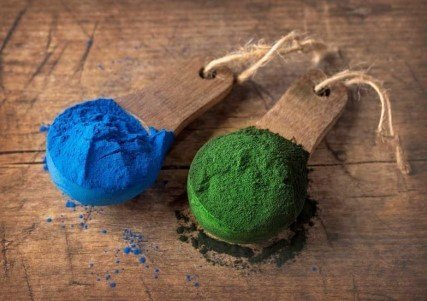
Green vs. Blue Spirulina
Blue spirulina is extracted from green spirulina. The process of extraction produces a powder with a blue pigmentation because of its high phycocyanin content. Phycocyaninis a water-soluble blue pigment protein known for its antioxidant properties, which means it helps protect cells from damage caused by free radicals.
It is also believed to have anti-inflammatory effects, support immune function and potentially have neuro protective properties.
Green spirulina retains its original colour and is commonly used in dietary supplements and powders. It is known for its high protein content, vitamins, minerals, andantioxidants.
Types of Blue Spirulina
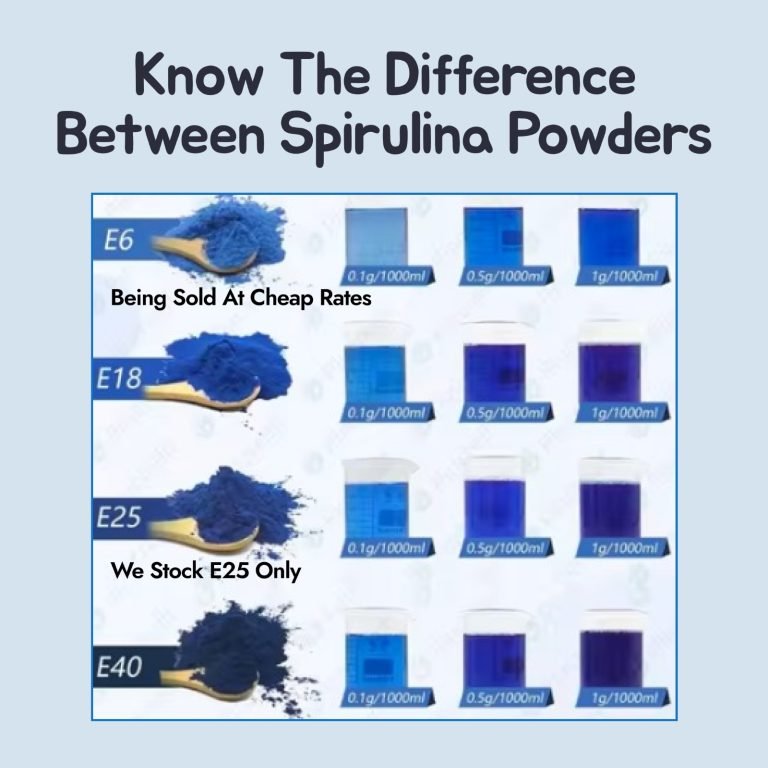
If you’ve explored various blue spirulina products on the market or purchased them from different stores and brands, you might have noticed differences in the intensity of the blue colour.
These variations can be due to several factors, including processing methods, formulation practices, source conditions, and storage. However, the primary factor is the concentration of phycocyanin, which significantly affects the product’s colour and can influence its price.
Phycocyanin Concentration:
Phycocyanin is the primary pigment responsible for the blue colour in spirulina. Different products may have varying concentrations of phycocyanin, which can affect the intensity of the blue hue.
Higher concentrations typically result in a more vibrant blue, while lower concentrations may produce a lighter or less intense blue.
Purity and Processing: The extraction and purification methods used to obtain phycocyanin from spirulina can influence the final colour.
More advanced or thorough purification processes tend to yield a more intense and consistent blue colour. Variations in processing can lead to different shades of blue.
Health Benefits of Green Spirulina
1. Nutrient-Rich: Green spirulina is packed with high-quality protein, essential amino acids, vitamins (such as B vitamins, vitamin K), and minerals (including iron, magnesium, and potassium).
2. Antioxidant Properties: It contains antioxidants like beta-carotene, chlorophyll, and phycocyanin, which help combat oxidative stress and inflammation.
3. Immune Support: Green spirulina can enhance immune function by boosting the production of anti bodies and cytokines.
4. Energy and Vitality: The nutrient density and high protein content can help improve energy levels and support overall vitality.
5. Detoxification: Chlorophyll in green spirulina aids in detoxifying the body by binding to toxins and heavy metals.
6. Digestive Health: It supports digestive health by promoting healthy gut flora and aiding digestion.

Health Benefits of Blue Spirulina (Phycocyanin)
1. Powerful Antioxidant: Phycocyanin, the pigment in blue spirulina, has strong antioxidant properties that help neutralize free radicals and reduce oxidative stress.
2. Anti-Inflammatory Effects: Phycocyanin has anti-inflammatory properties that can help reduce inflammation in the body.
3. Neuro protective Benefits: It may support brain health by protecting against neuro degenerative damage and enhancing cognitive function.
4. Immune Enhancement: Blue spirulina can bolster the immune system, enhancing the body’s ability to fight infections and diseases.
5. Colouring Agent: Beyond health benefits, blue spirulina is valued for its vibrant colour, used naturally in food and beverages.

In summary, both green and blue spirulina offer significant health benefits, with green spirulina providing comprehensive nutritional support and detoxification, while blue spirulina (phycocyanin) is noted for its potent antioxidant and anti-inflammatory effects.
Blue Spirulina: Application
Food and Beverages Colourant:
• Smoothies and Juices: Blue spirulina powder is added to smoothies and juices to give them a vibrant blue colour, making them visually appealing and fun to drink.
• Ice Cream and Sorbets: It can be used to colour ice cream, sorbets, and frozen desserts, providing a natural blue shade without artificial dyes.
• Baked Goods: Blue spirulina can be in corporated into cakes, cookies, muffins, and other baked goods to achieve a striking blue colour.
• Confectionery: It is used in candies, gums, and chocolate products to add a natural blue hue.
• Sauces and Dressings: Blue spirulina can be added to sauces, dressings, and dips to enhance their colour and provide a unique appearance

Cosmetics and Personal Care Products:
• Skincare Products: Blue spirulina is used in face masks, creams, and serums for its colour and its potential antioxidant benefits.
• Soaps and Bath Products: It is used to colour soaps, bath bombs, and other bath products, providing a natural blue tint.
4 Ingredients Blue Banana Ice-cream Recipe:
Ingredients:
* 2 cups frozen bananas (sliced)
* 1 teaspoon blue spirulina powder
* 1-2 tablespoons inulin powder (adjust to taste)
* 1/2 cup coconut milk or any milk of your choice (adjust for desired consistency)
* Optional: 1 tablespoon honey or maple syrup (if extra sweetness is desired)
Instructions:
1. Prepare Ingredients: Ensure the bananas are frozen. For best results, slice them before freezing.
2. Blend: In a high-speed blender or food processor, combine the frozen bananas, blue spirulina powder, and inulin powder. Add the coconut milk or your preferred milk a little at a time until you achieve a creamy, smooth consistency.

3. Sweeten (Optional): If you prefer a sweeter ice cream, add honey or maple syrup to taste and blend again until fully in corporated.
4. Adjust Consistency: If the mixture is too thick, you can add a bit more milk to reach the desired consistency. If it’s too runny, add a bit more frozen banana to thicken it up.
5. Freeze: Transfer the mixture to an air tight container and freeze for about 1-2 hours to firm up. You can also enjoy it immediately if you prefer a softer texture.
6. Serve: Scoop out the ice cream and serve. If it has been frozen solid, let it sit at room temperature for a few minutes to soften slightly before scooping.
Notes:
Texture: This ice cream will have a creamy texture due to the frozen bananas.The inulin powder adds a bit of fiber and can help improve the texture
Sweetness: Adjust the sweetness to your preference. The frozen bananas will naturally add sweetness, but you can add more sweetener if desired.
Flavor Variations: You can experiment with adding other flavors like vanilla extract or a pinch of cinnamon for added complexity.